
Services · 03
Barrel finishing
Focus
Deburring and surface finishing of large quantities of small parts by tumbling.
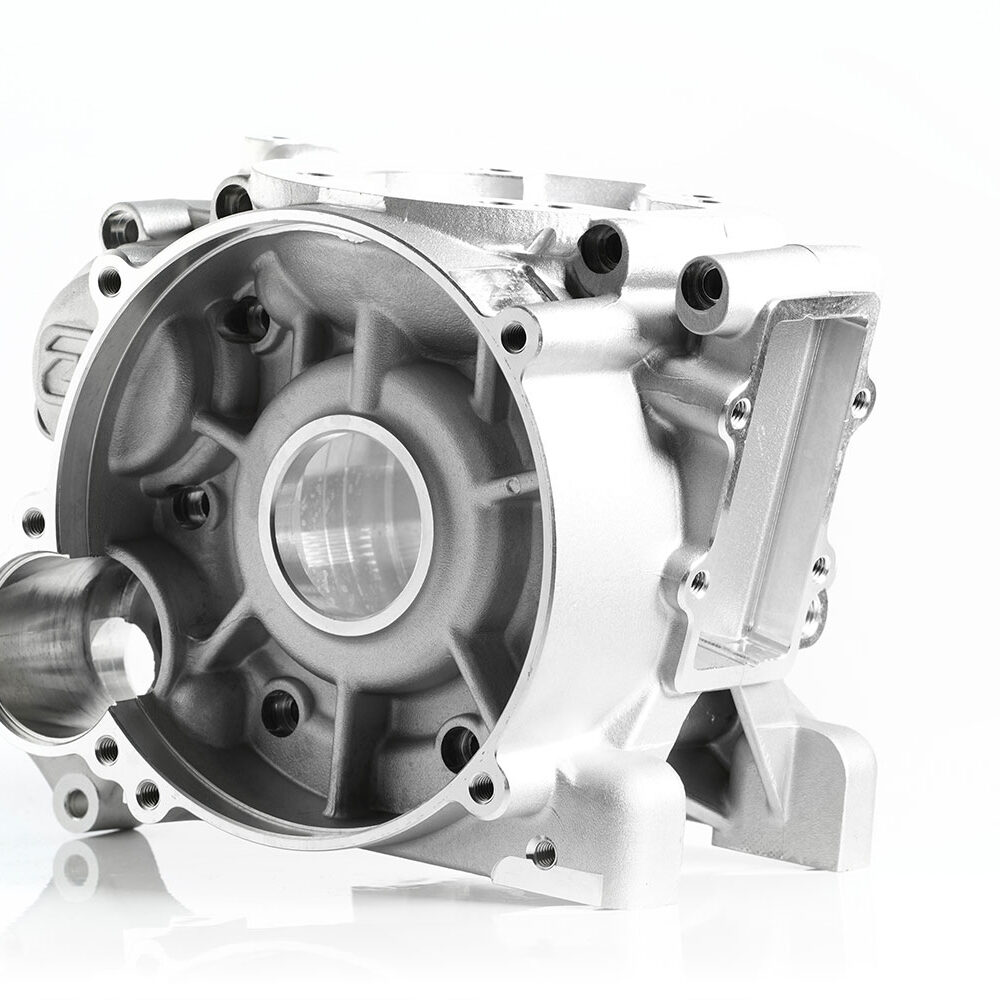
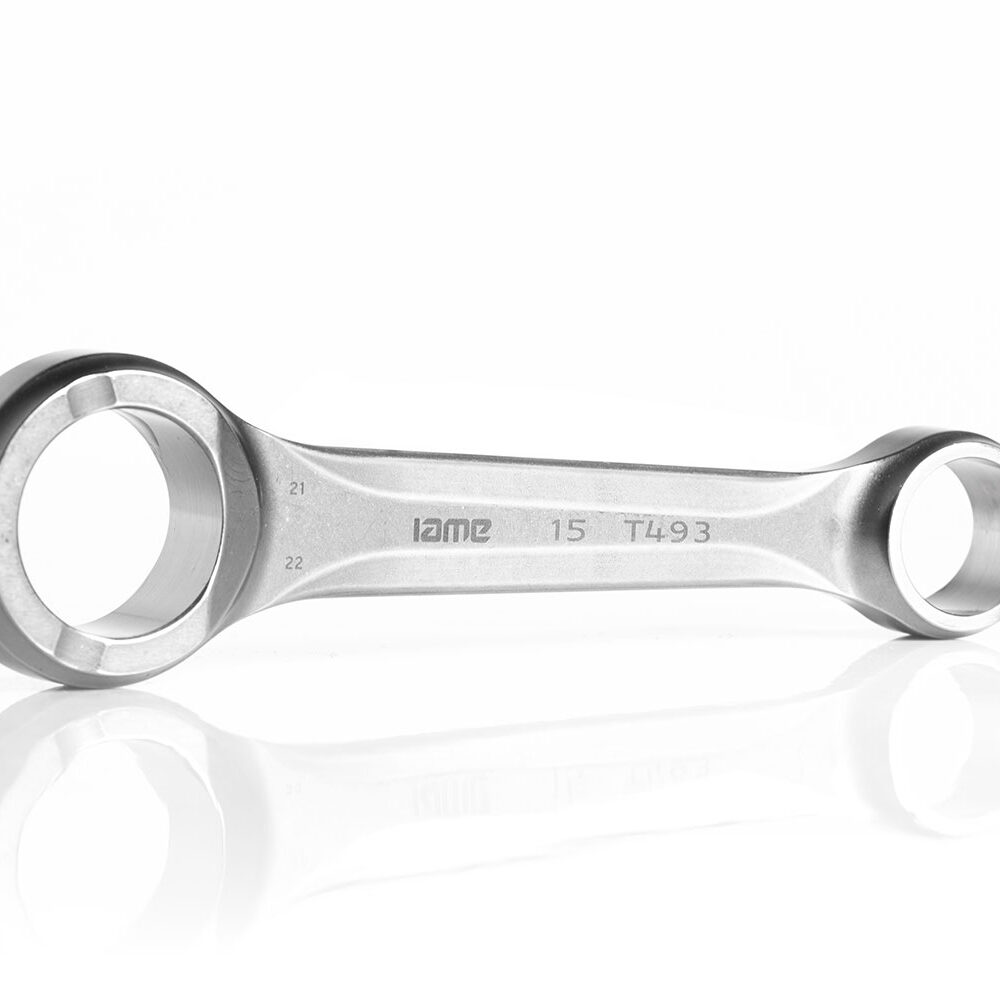
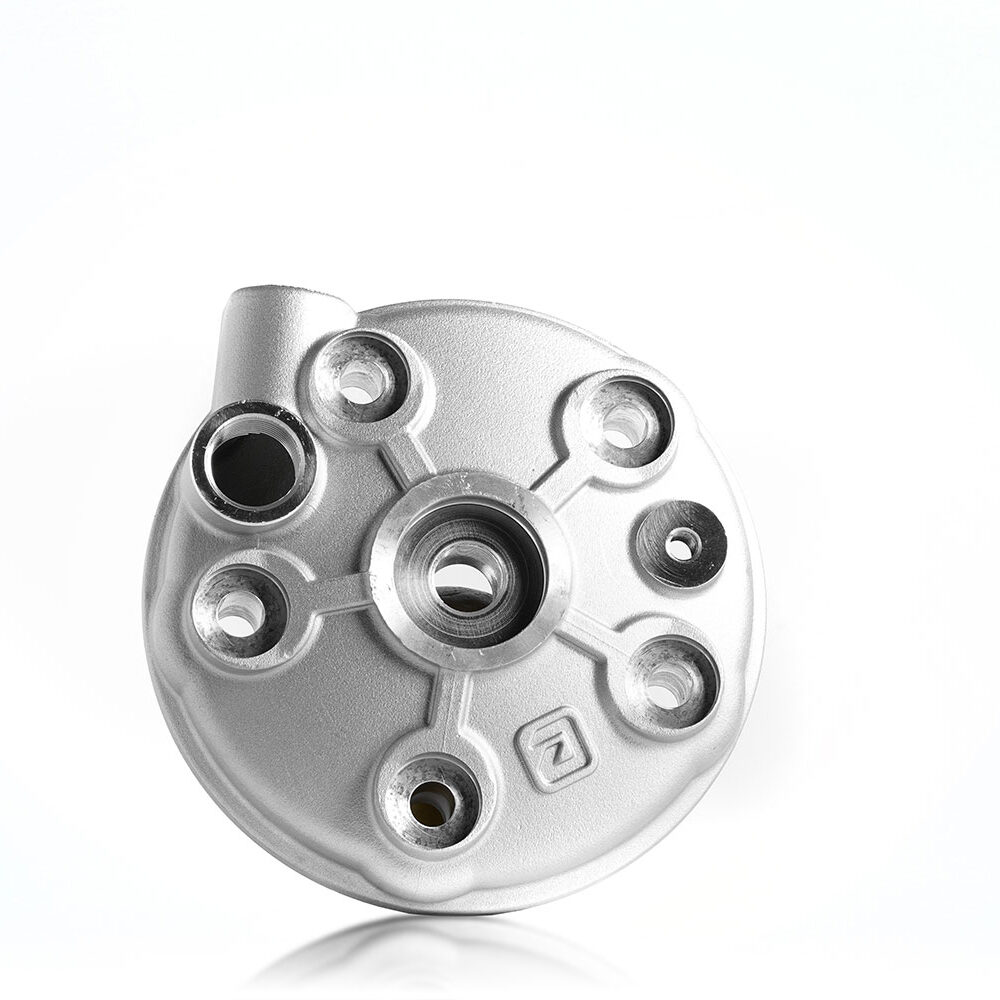
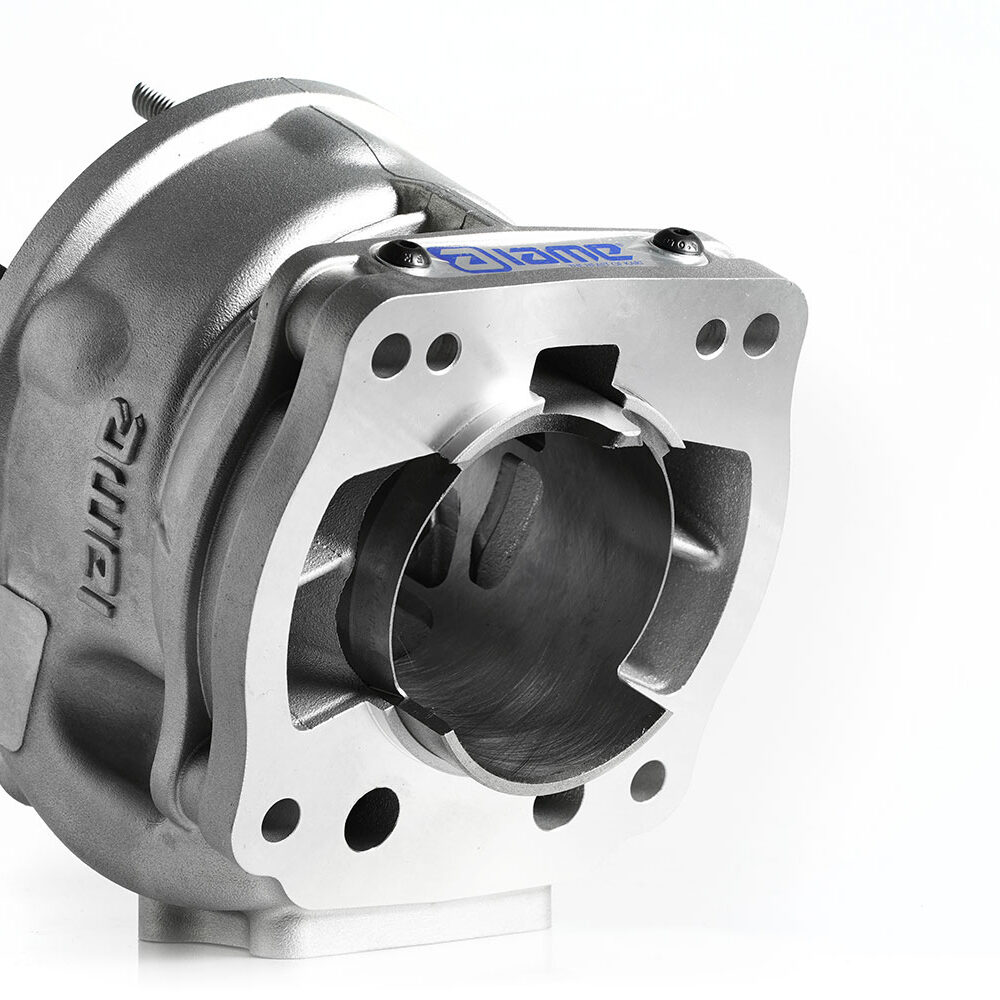
Barrel finishing is typically used to remove residual material mechanically, especially burrs left by processes such as pressing or casting. It is particularly suited to finishing large numbers of small parts.
Parts tumble and collide inside a barrel, often with abrasive media shaped for the purpose to speed up the process. The process can also run wet to prevent chemical attack. The rotation speed of the barrel determines how fast it works.
The process causes general dimensional changes on the part surfaces of between 2 and 20 µm.
Method
Barrel finishing of metals is used to burnish, deburr, clean, de-flash, descale, remove rust, polish, brighten and surface-harden parts, to prepare them for further finishing, and to remove gates, vents and risers from die castings.
The process is simple: a horizontal barrel, already holding the right amount of abrasive, is loaded with the parts and set in rotary vibration. Variations usually involve media, water, lubricants and detergents. As the barrel turns, the load rises until gravity makes the top layer slide down to the other side. The barrel may also have paddles, usually rubber, along its inside that catch and lift the parts until they slide or fall.
In wet processing, a compound, lubricant or barrel soap is added to aid finishing, prevent rust and clean the parts. A wide variety of media is available for the desired finish, commonly sand, granite chips, slag, steel, ceramic and synthetics, in many shapes; different shapes are often mixed in one load to reach every part geometry.
Barrel finishing is economical because large quantities of parts can be processed with little or no operator supervision. A full cycle can take from 6 to 24 hours with the barrel turning at 20–38 rpm. It is usually most efficient with the barrel half full. Some processes also use a filtration system to separate parts or other material in the drum.
Its drawbacks are that the abrasive action cannot be confined to specific areas of the part, cycle times are long and the process is noisy.
Endless Production
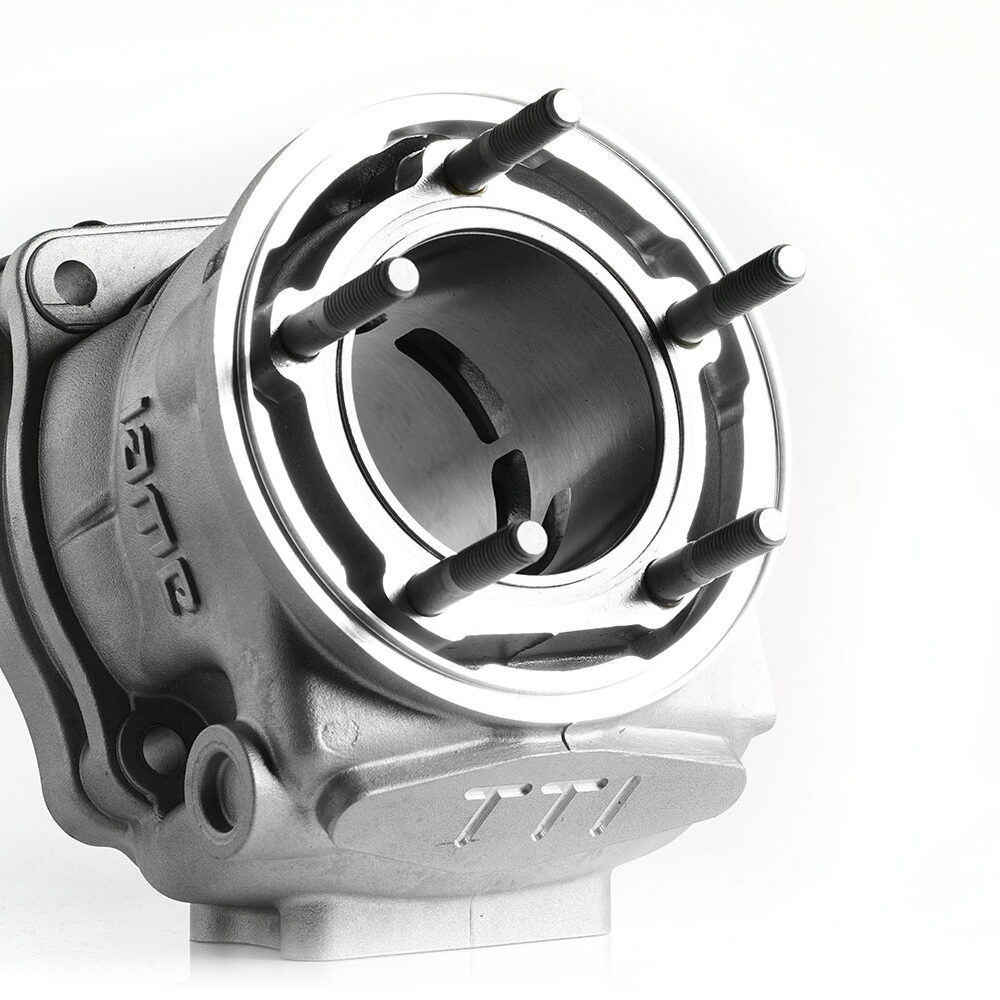
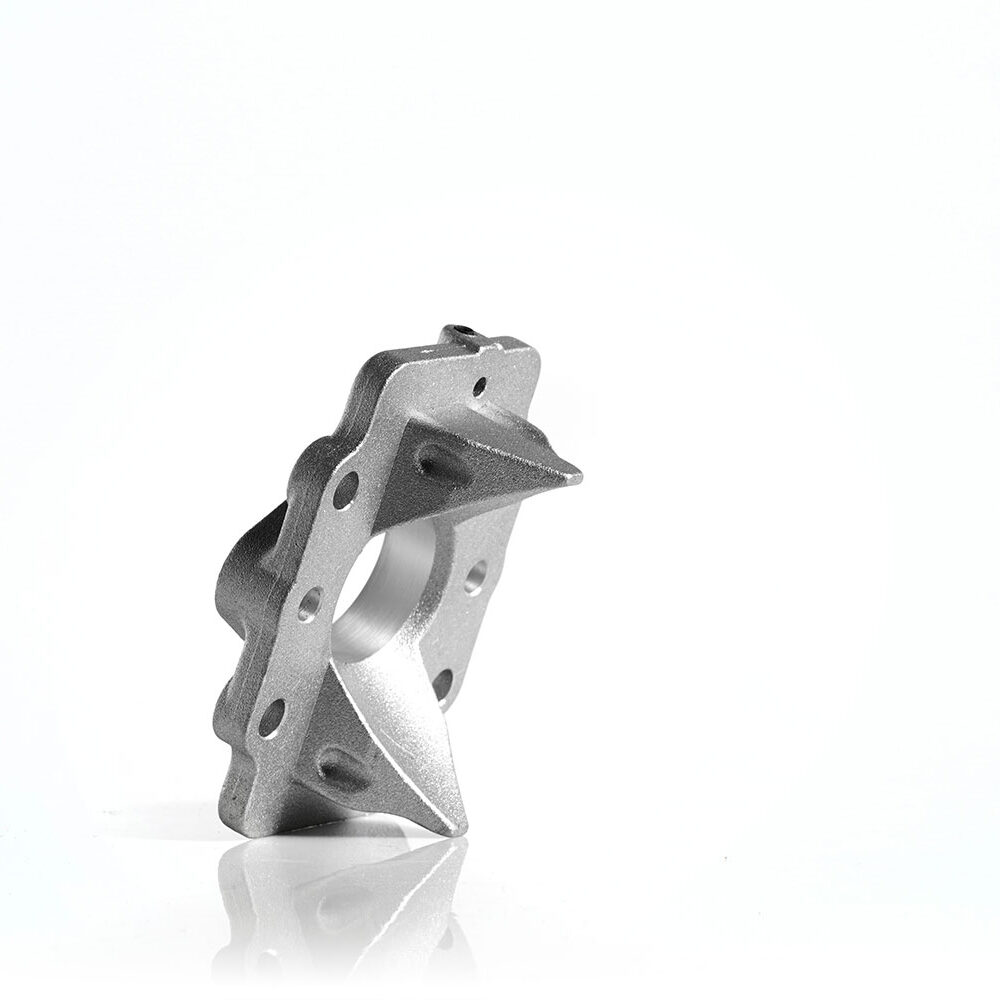
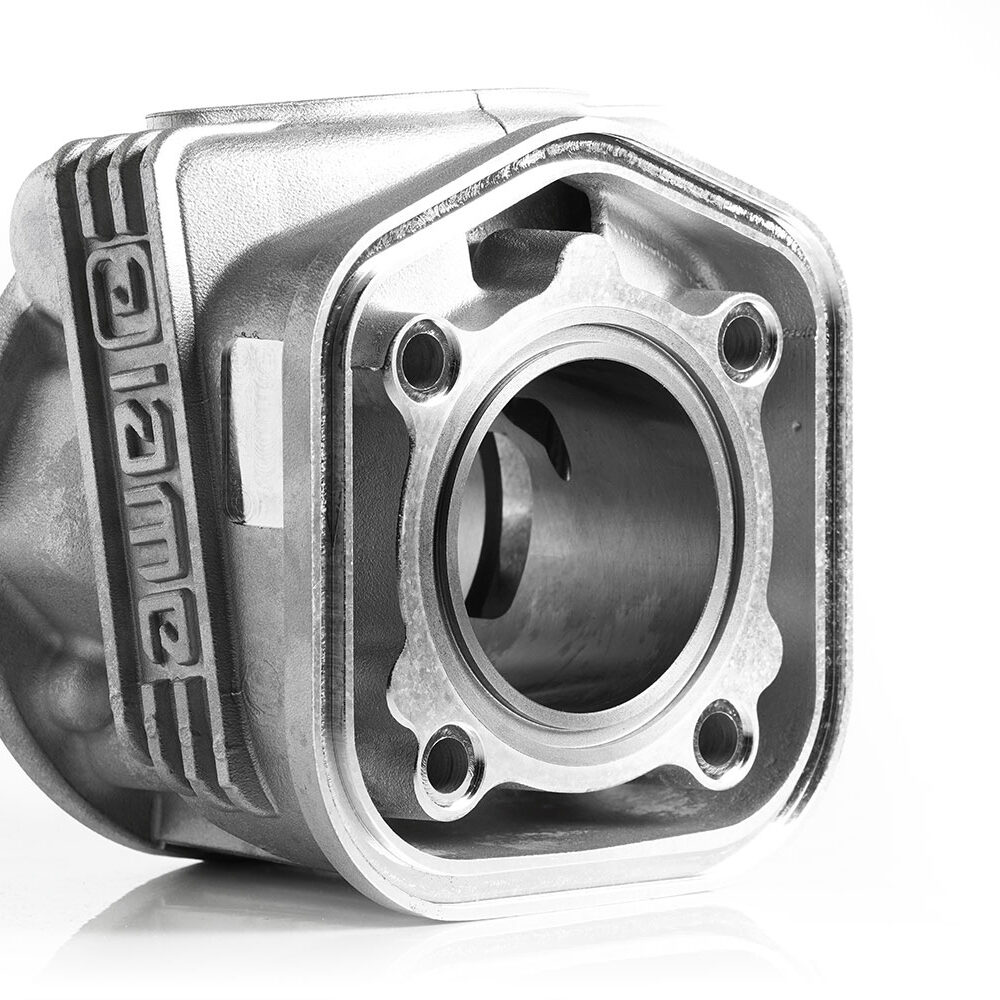
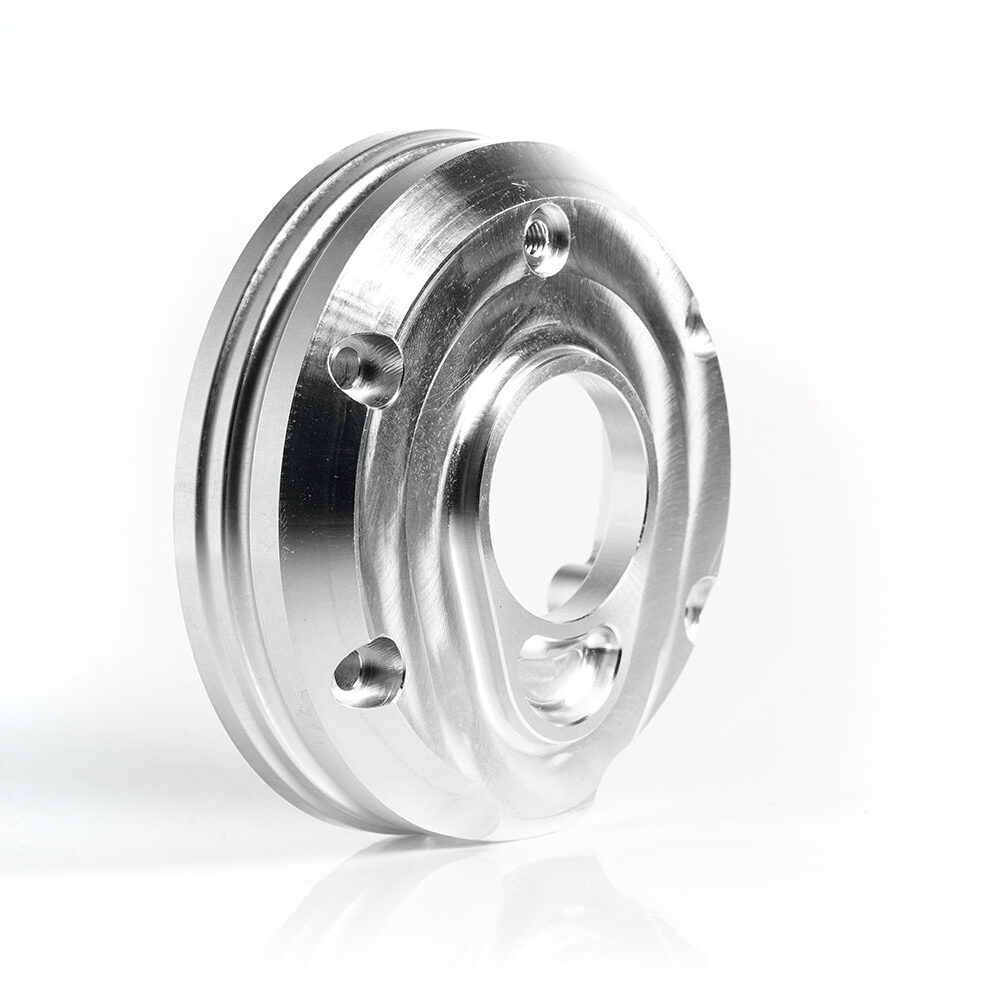
Work done
Request for quotation
Barrel finishing: send us your drawing
Send us your drawing and specifications: we analyse, process and quote every request quickly.